Introduction
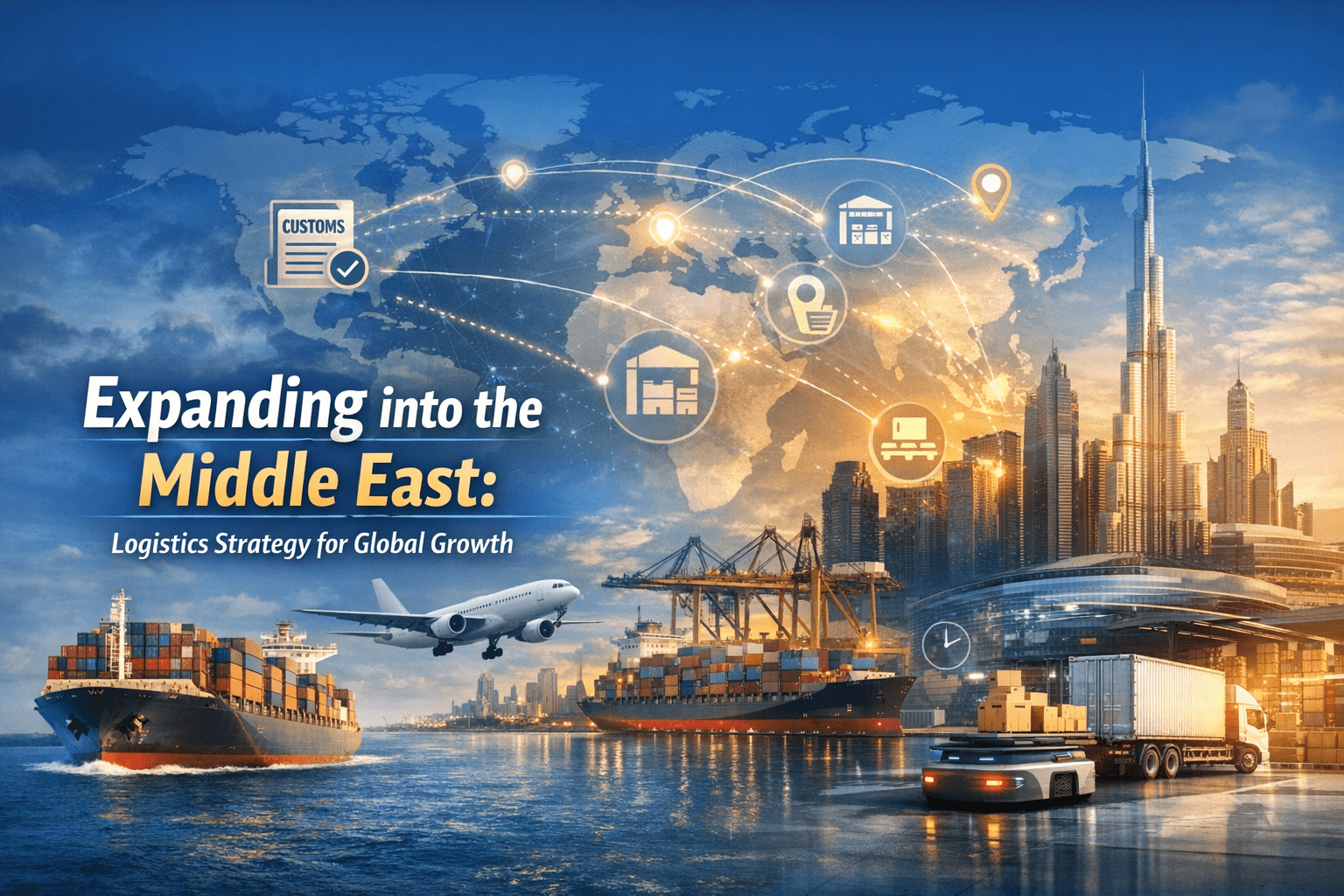
For every software company, expanding into foreign markets is a huge step forward. If you want to move to a new place like the Middle East, you need to plan ahead, follow the rules, and obtain help with logistics from professionals. Business owners have to deal with a multitude of challenges, like getting things through customs, following import restrictions, warehousing, and distribution.
This case study explains how a digital business that was still growing was able to go into the Middle Eastern market by establishing strong planning for logistics, following the rules, and making strategic partnerships.
The Issue
A rapidly developing firm that develops consumer electronics and IoT devices sought to grow its distribution network to include the UAE and the rest of the GCC area.
The company had to deal with a lot of issues throughout the first stage of its growth:
- Knowing the rules and how to move things around
- Handling customs clearance for electronics
- Handling big shipments and shipping things out early
- Making sure that the techniques of storing and sending items work well
- Making sure that shops and distributors get their orders on time
If there wasn’t a strong logistical strategy in place, these problems might have made it difficult to get into the market and raised prices.
Strategically Planning How to Enter the Market
Before starting to do business in the area, the corporation put a detailed plan for entering the market into effect. This meant looking at the rules and laws, finding logistics partners, and making a plan for the best approach to run the supply chain.
1. Making sure the regulations are being obeyed
When electronics enter to the Middle East, they usually need to be certified, have papers, and have the okay from customs. The corporation made sure that all of its equipment followed the rules in the area so that customs wouldn’t take too long to process them.
2. Better planning for goods and cargo
The company required a dependable way to transfer things from the production to the Middle East. Efficient goods forwarding and cargo management made sure that commodities were delivered safely and on time.
3. Getting the shipment and warehouse ready
The company used a warehouse model to help with distribution in multiple places. This made it easy to maintain track of inventory and serve orders swiftly.
Putting the Logistics Strategy into Action
It takes less time to clear customs
Customs is one of the most important things you need to complete when you join a new market. With the guidance of experts, the company made sure that all of its paperwork was in order, that it was using the right tariff classification, and that it was following all of the rules for importing.
This made it faster to bring cargo into the area and cut down on wait times.
Storage and inventory that works well
With a centralised warehousing solution, the company could maintain track of its stock levels and swiftly get products to clients all around the region. This made it easy for shops and wholesalers to get their things faster.
Network for Getting Things Out in the Area
The brand was able to reach several markets in the GCC region and keep its products in stock thanks to a well-planned distribution network.
Results and Effects on the Business
The IT company was ready to open up shop in the Middle East since they had a clear logistics plan and help with compliance.
The main results were:
- Faster processing of imports and passing through customs
- Less money spent on shipping and logistics
- Better control of inventory
- A better approach to move things around in the region
- A successful entry into the technology markets of the UAE and GCC
The brand was able to quickly grow its business while keeping the supply chain running smoothly.
What Businesses Can Learn
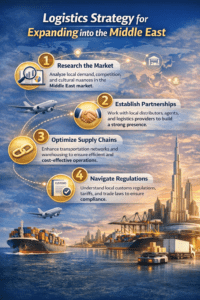
This case study could teach businesses a lot about how to do business in the Middle East:
- Find out what you need to do and what you can’t do to get things into your area
- Ask logistics and customs specialists who have been doing this for a long time for advice
- Make a plan for storing and shipping that can grow with your business
- Make sure that the paperwork and product certifications are all right
- Make a supply chain network that can change when it needs to
These procedures can greatly lower the risks of running a business and make it easier to get into the market.
How MAF Solutions Helps Markets Grow Around the World
MAF Solutions makes it easier for businesses to trade and move goods across borders. Businesses should feel good about entering new markets since we know a lot about customs clearance, shipping goods, and managing the supply chain.
We offer the following services:
- Help with obeying the requirements for shipping goods in and out
- How to pass past customs
- Taking care of things and cargo
- Services for shipping and storing
- Making preparations for logistics to help businesses grow in other countries
We help firms handle tough international trade situations by using our knowledge of the industry and our global logistics talents.
Conclusion
If you want to enter into a new market like the Middle East, you need to know about rules and regulations, logistics, and how to arrange your supply chain well. Businesses can successfully open in the area if they put money into the correct systems for compliance and logistics.
When you have the appropriate partners and good logistics support, it’s easier and more profitable to grow your business into other countries.